
Edible Oil Filling
An oil brand is judged on more than what is inside the bottle. A clean fill, dependable closure, clear label, and pack that arrives without leaks all contribute to the customer’s confidence. Beneficial Blends helps brands bring edible oils and fats into retail and foodservice packaging with those details built into the production discussion. Glass bottle and jar filling is available for organic products.
Build the quote around the finished selling unit
A 1 L pinch bottle, a jar of ghee, and a 3 L bag in box create different filling and handling demands. Oil temperature, density, viscosity, cap fit, and case configuration all affect the work. We connect those production details with your target order, replenishment needs, and sales channel so the quotation reflects the pack you intend to sell.
Edible oil packaging we fill
Beneficial Blends fills retail and foodservice oil packaging, including the following formats. Share the actual components, oil or fat specification, run quantity and closure requirements to confirm the production setup for your project.
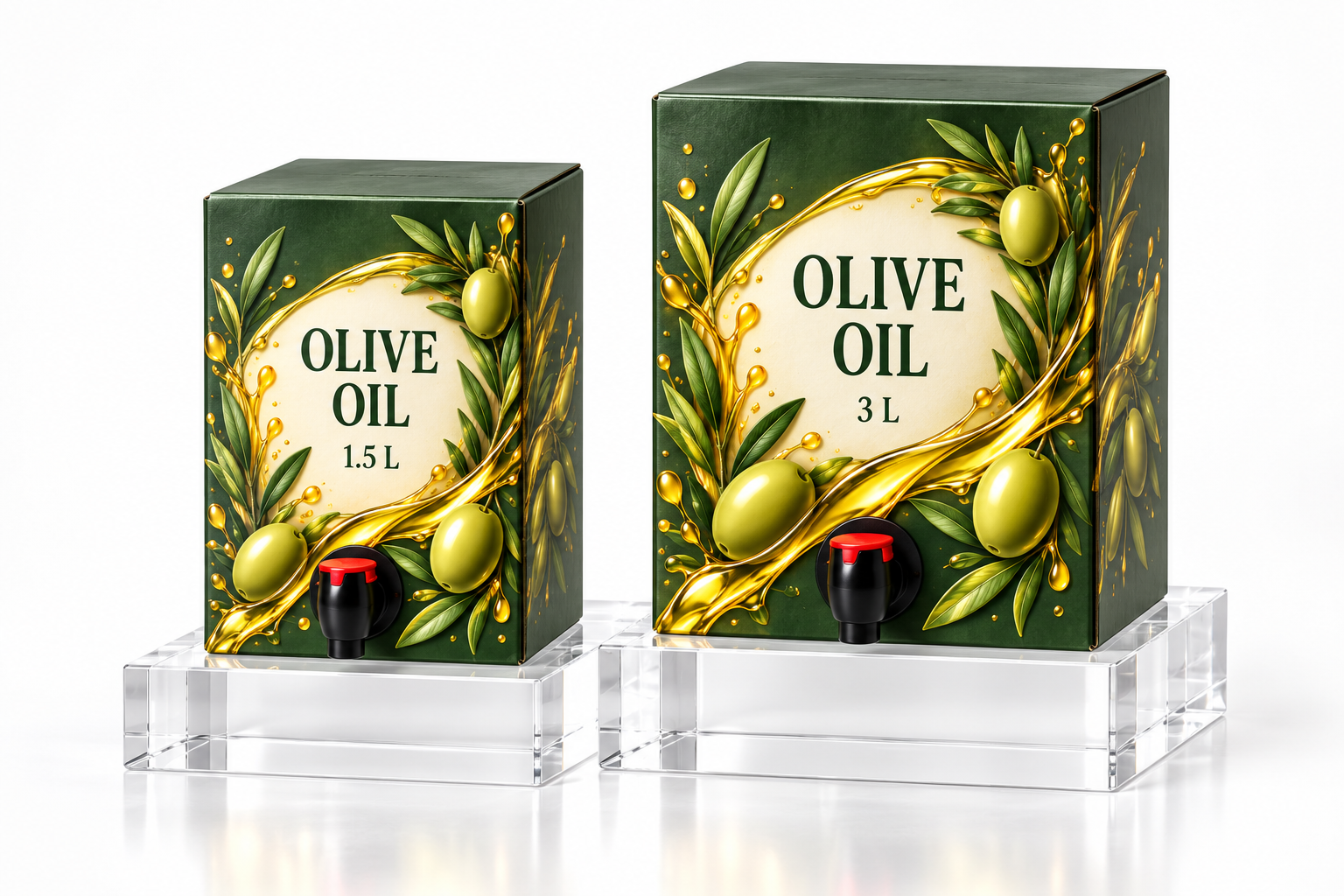
- BIB , Bag in Box: 1.5 L and 3 L formats with a flexible inner bag and protective outer carton.
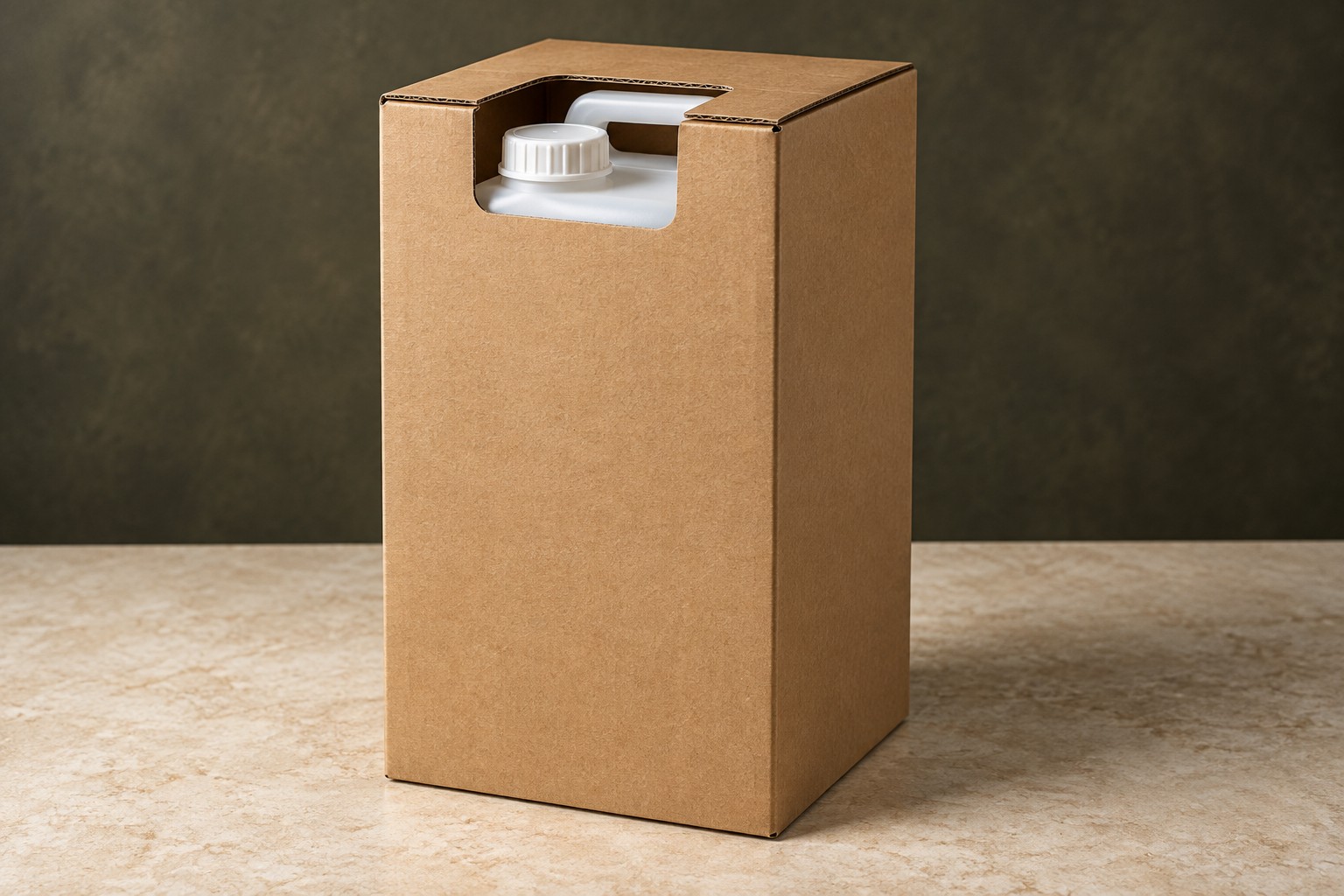
- JIB , Jug in Box: a rigid food oil jug supported by an outer corrugated box.
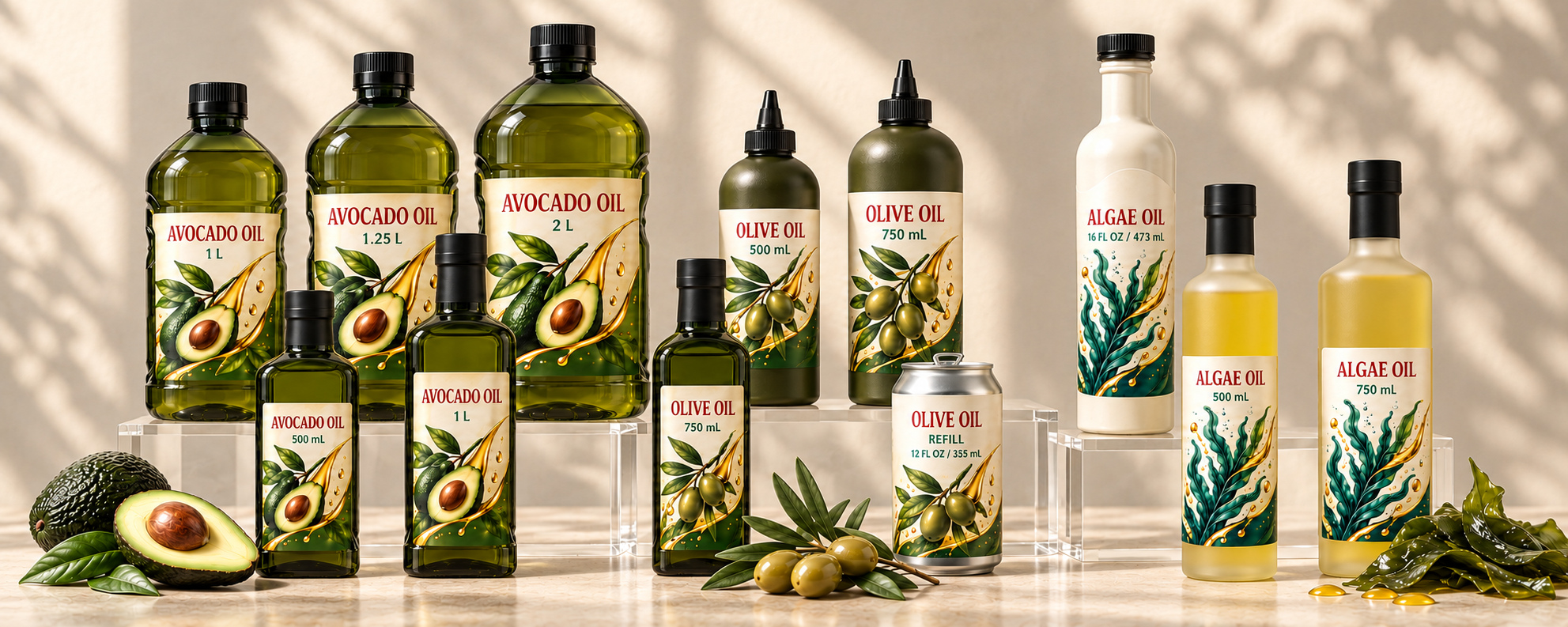
- Plastic drizzle top oil bottles: controlled pour packaging for consumer cooking oils.
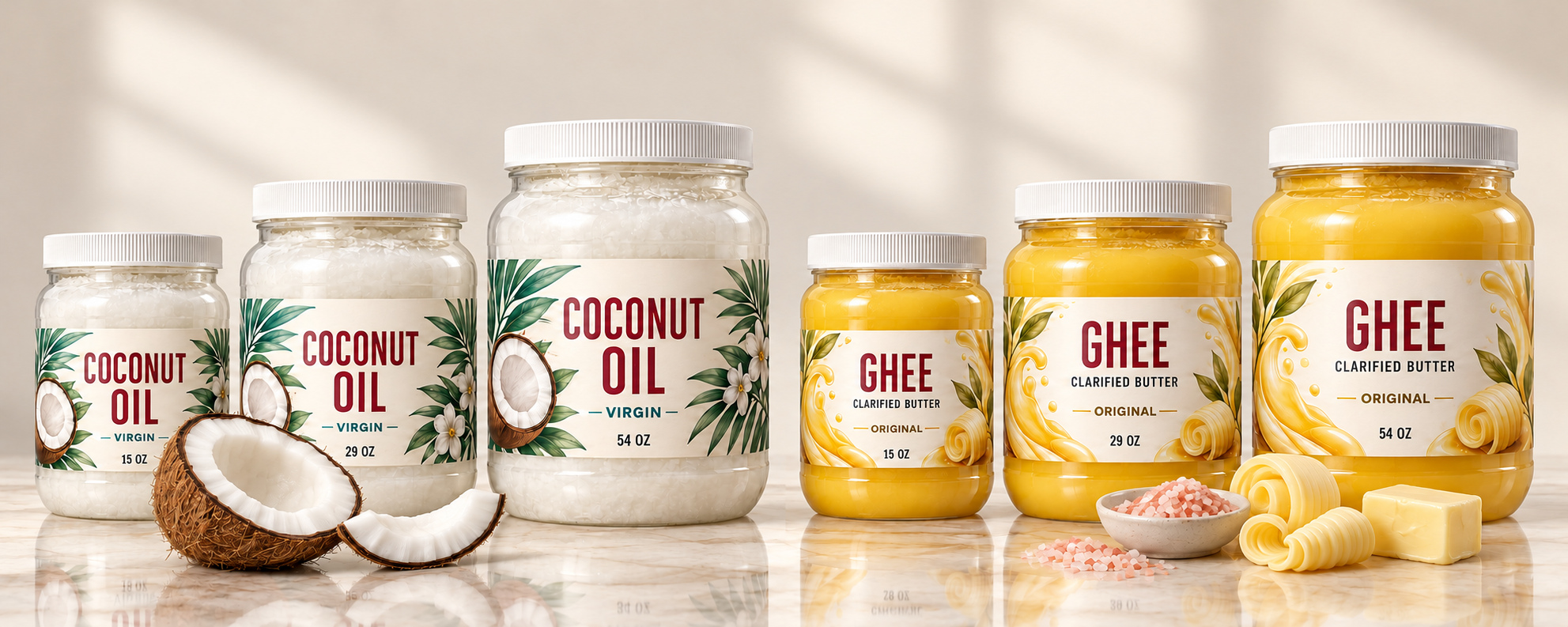
- Glass jars: wide mouth food jars for coconut oil and ghee.
- Pinch style bottles: 1 L and 2 L retail oil bottles with molded grip areas.
- Spouted refill pouches: flexible cooking oil refill packaging with a corner mounted pouring spout.
- White oil bottles and bag on valve (BOV) oil sprays: formats reviewed against the product and component specifications.
Actual components and dimensions are confirmed for each project.
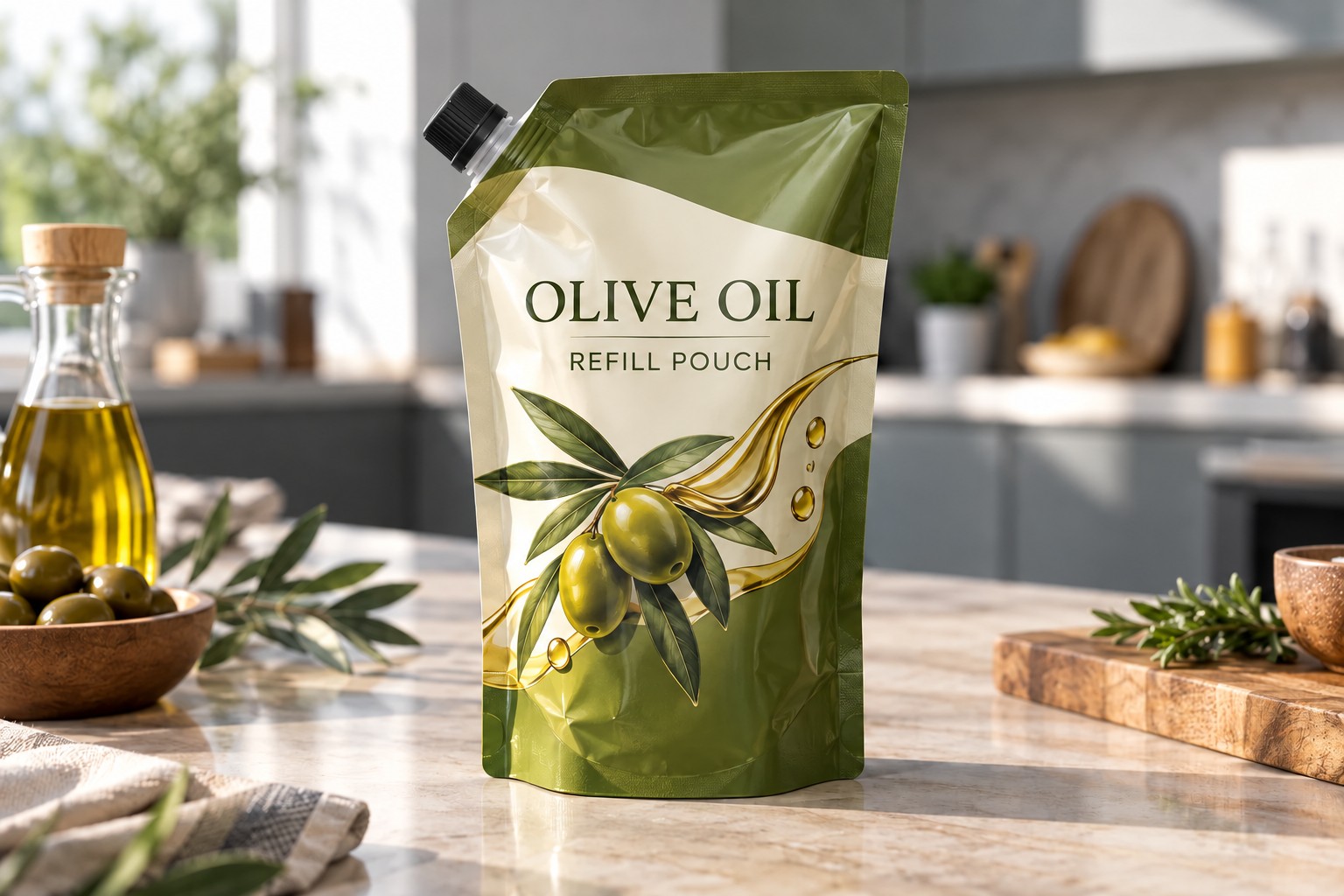
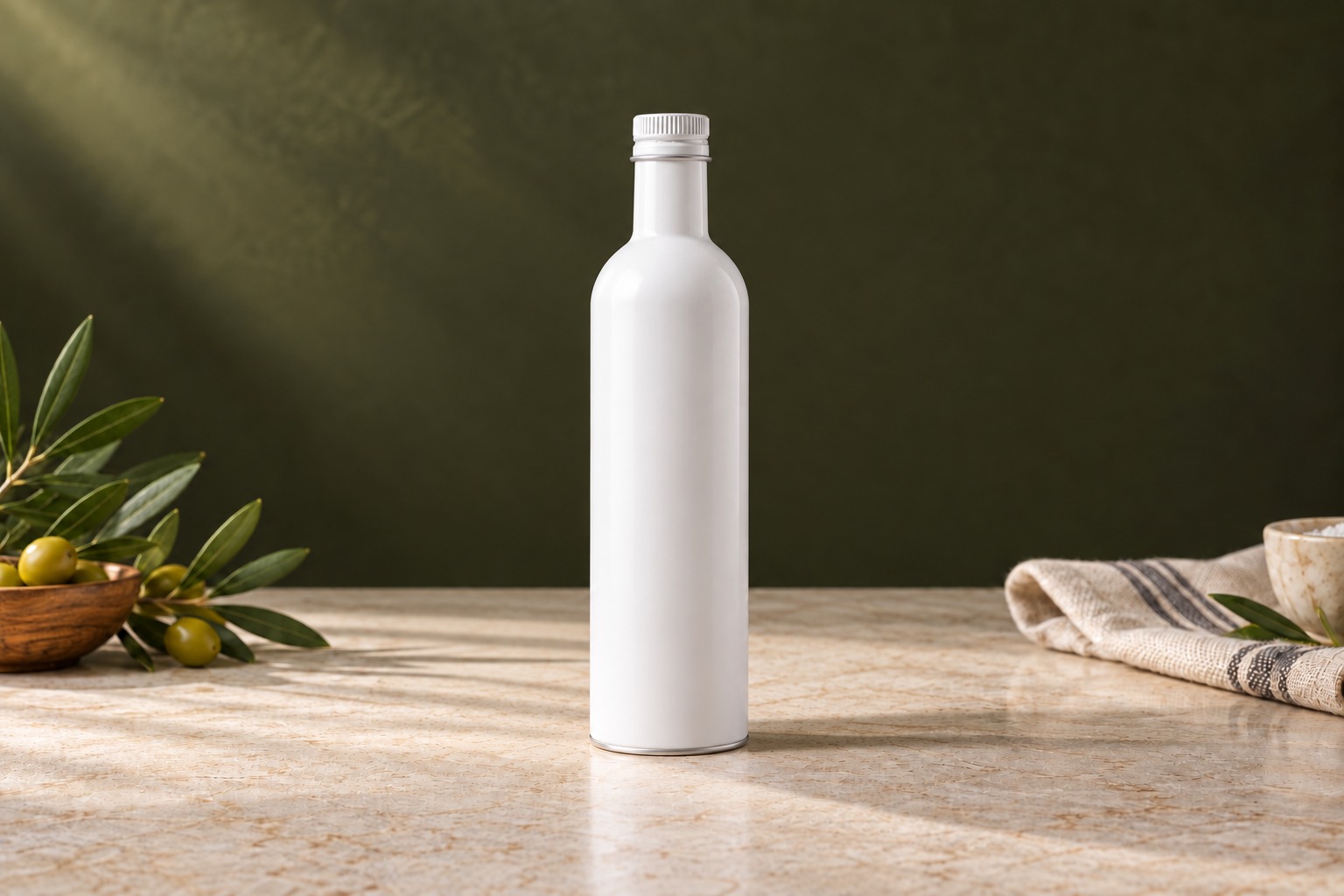
Review your oil filling project
| Decision | What to supply |
|---|---|
| Oil or blend | Oil identity, formula status and representative samples. |
| Package format | Bottle or proposed spouted pack, component drawings and closure samples. |
| Run size | Fill size, SKU count, initial quantity and expected repeat orders. |
| Quality requirements | Product specifications, storage conditions and finished package acceptance criteria. |
Temperature, density and fill control
Oil viscosity changes with temperature, affecting flow through the filling system and the way product releases from the nozzle. Density also changes with temperature. When a package declares a volume and production checks use weight, the target must reflect the specific oil and agreed measurement conditions. There is no single ideal filling temperature for every edible oil blend. Formula behavior, container material, closure components and product quality requirements must be considered together. A flavored blend may need additional review of ingredient distribution and settling.
Packaging details that deserve an early trial
- Nozzle cutoff: assess strings and drips that can leave oil on the neck or container.
- Closure fit: confirm the neck finish, cap, liner and any intended seal work together.
- Flexible packaging: review spout geometry, support during filling, headspace and closure handling for proposed spouted packs.
- Label appearance: keep package surfaces suitable for the selected label and application process.
- Shipping performance: evaluate the finished package and case configuration under the expected distribution conditions.
Protect the product through the complete process
Oil quality can be affected by exposure to heat, light and oxygen. Provide storage instructions, product specifications and shelf life requirements during project review. Agree on material compatibility, handling and any product specific tests before commercial production. The finished pack, rather than the bulk formula alone, is the relevant configuration for package integrity evaluation.
Edible oils, fats and liquid food assortments
Build an edible oil, fat and liquid food assortment with Beneficial Blends. From culinary oils and ghee to mayonnaise and aioli, our filling programs connect your product with retail and foodservice packaging for a coordinated brand presentation.
Match the format to the product’s everyday use
A liquid cooking oil, a scoopable coconut oil, and ghee do not ask the same things of a container or filling setup. Temperature, flow, closure design, and light exposure influence the choices. Start with the oil specification and customer use, then compare the finished pack economics for your channel.
Build a specification by oil family
Liquid oils differ from fats that change state with temperature. Olive, avocado, MCT and seed oil projects can have different identity, sensory and stability expectations. Identify the oil, intended use and supplier documentation needed for each SKU rather than applying one specification across the portfolio.
Plan retail and bulk requirements separately
A retail bottle and a bulk pack may share a formula but differ in dispensing, labeling and logistics. Forecast demand by format, define source material arrangements and consider how changes in ingredient availability affect the approved blend.
Questions buyers ask
What does an edible oil copacker do?
An edible oil copacker packages oil for another brand under agreed specifications. Closures, labels, lot coding and case configuration belong in the scope alongside filling. Identify any blending, sourcing or product development needs separately so responsibilities and pricing are clear.
Can you review a flavored oil blend?
Yes. Share its specifications, ingredient characteristics and representative samples. Product uniformity, particles, viscosity and packaging requirements determine project fit.
Can we use a bottle or spouted pack?
Submit the proposed packaging and component samples for review. Filling and closure suitability must be confirmed for the actual configuration.
What should an oil filling RFQ include?
Include oil type, blend specifications, bulk delivery format, fill size, packaging drawings or samples, order quantity, labeling, cases per pallet and desired timing. Identify any required testing or customer acceptance criteria. Explore related liquid filling and food copacking services, or get a quote for your oil filling run for a quotation review.
Ready to take the next step?
Tell us which oil you are packing, your container and fill size, units per SKU, and target production window.
Get a quote for your oil filling run
Private label ghee & coconut oil
Edible Oils & fats: Explore conventional or organic, 8oz squeeze,15, 29 and 54oz jar formats for coconut oil, salted and unsalted ghee. Choose the product specification and retail format around your brand, target price, and sales channel.
Jar formats shown include 13.5 oz net weight ghee jars and 15 fl oz and 54 fl oz coconut oil jars. Confirm the final fill weight or volume, container, closure, and order requirements during quoting.
Request a Quote
Tell us about your product, packaging, quantities and timing. Complete the form below to request a quote from Beneficial Blends.
Having trouble viewing the form? Open the quote form in a new tab.


