
Edible Oil Packaging Guides
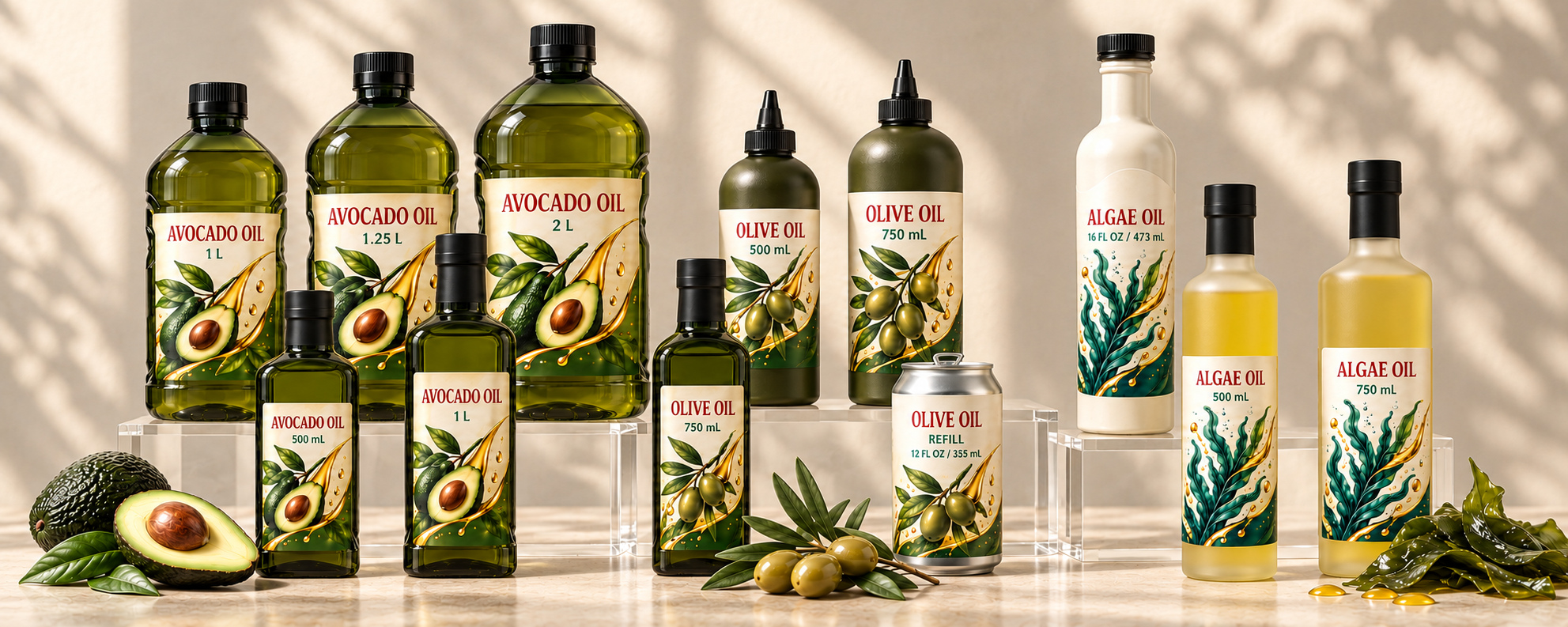
Your oil package needs to win the sale, protect the product, and work through production and distribution. Compare bulk, foodservice, retail, specialty, and spray formats with those three jobs in mind, not simply the price of an empty container. Glass bottle and jar filling is available for organic products.
Compare the cost of the unit you will actually sell
Container weight, closures, labels, assembly time, case protection, and freight can change the economics of a packaging choice. So can the customer’s dispensing experience. Bring your preferred formats and target channel to the discussion; we can help connect those choices with a production scope for your oil or fat.
Bulk & Wholesale Packaging
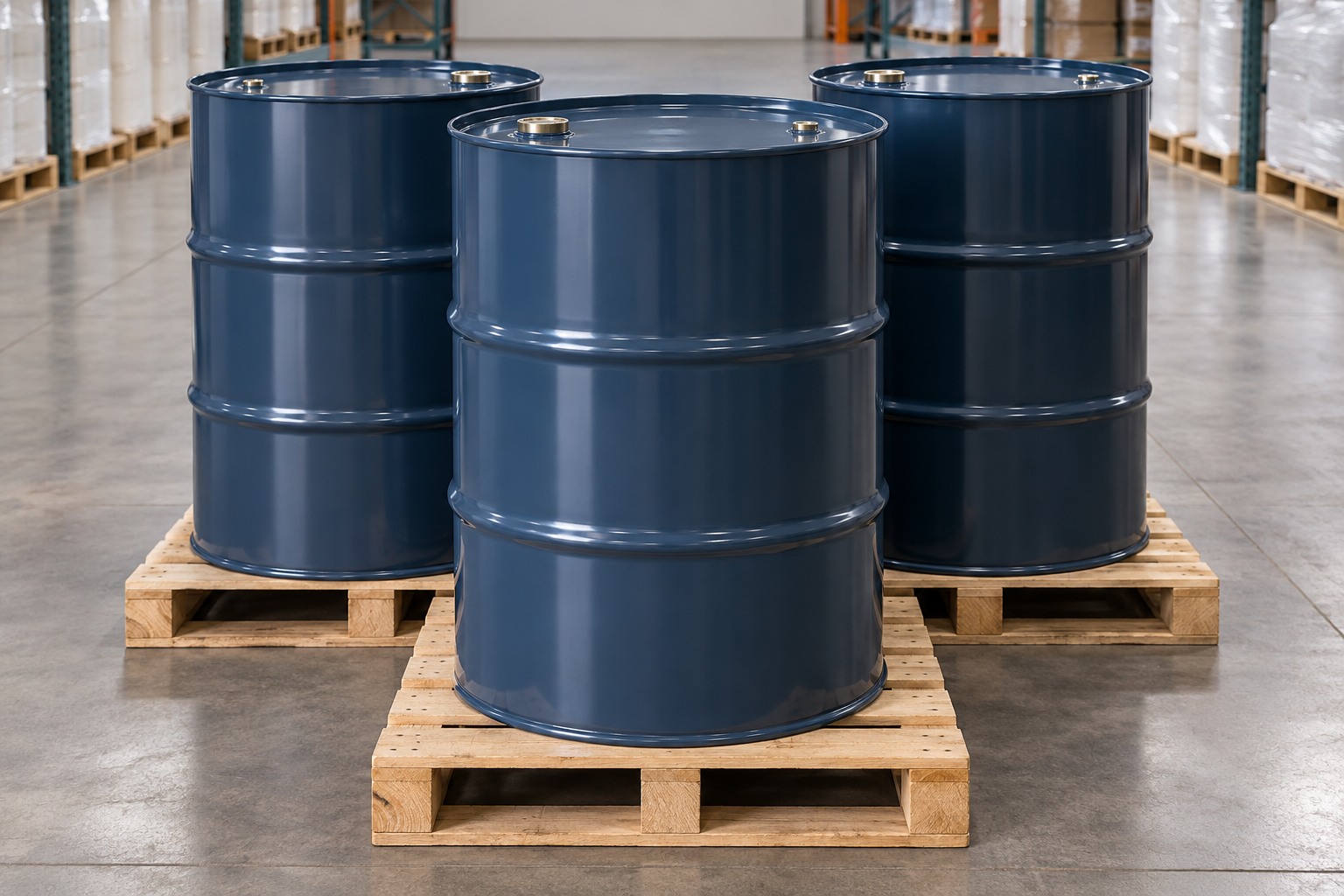
IBC totes and drums connect bulk ingredient supply with commercial production. Specify the oil, delivery temperature, unloading connection, usable capacity, and handling equipment before choosing a container.

Foodservice Packaging
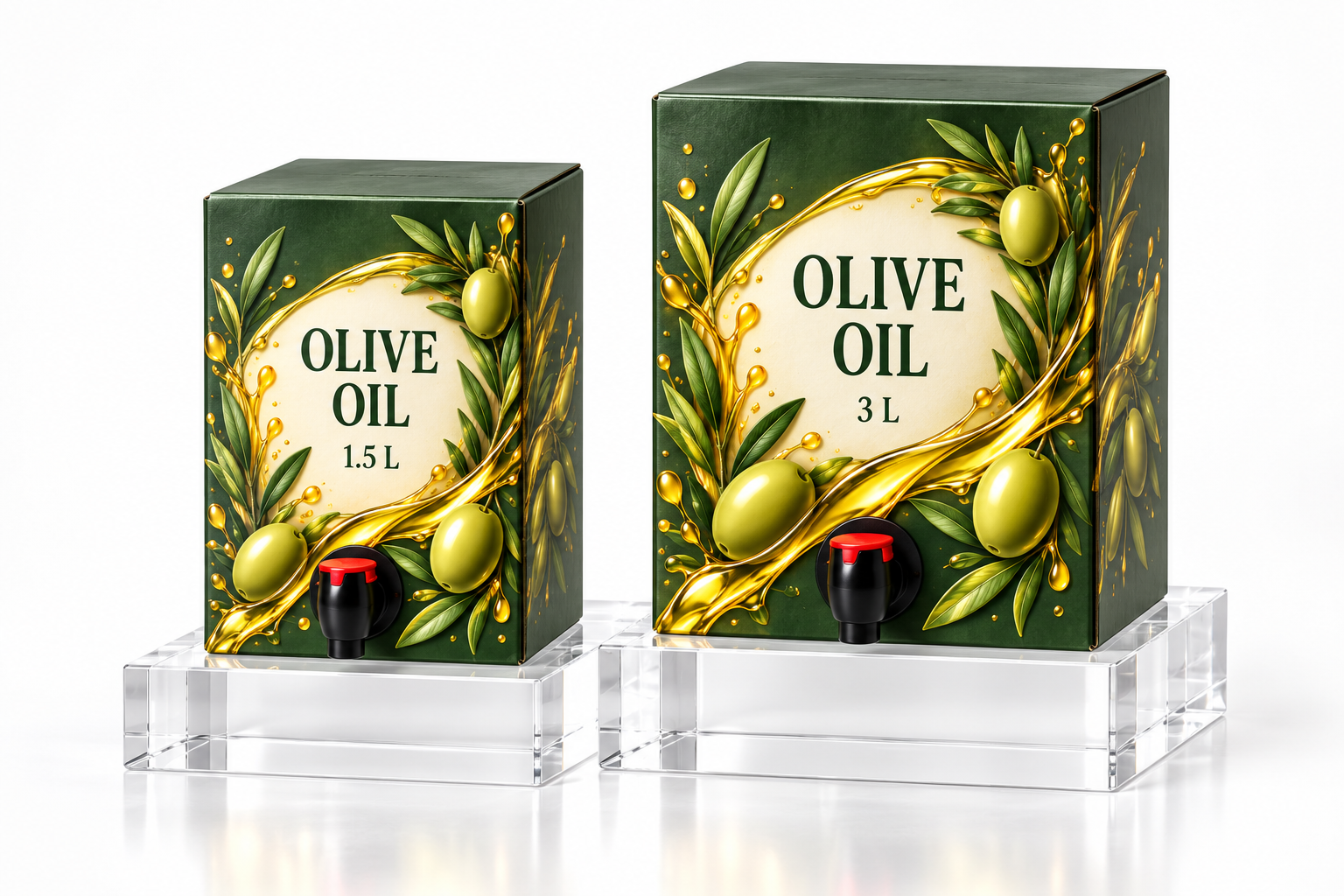
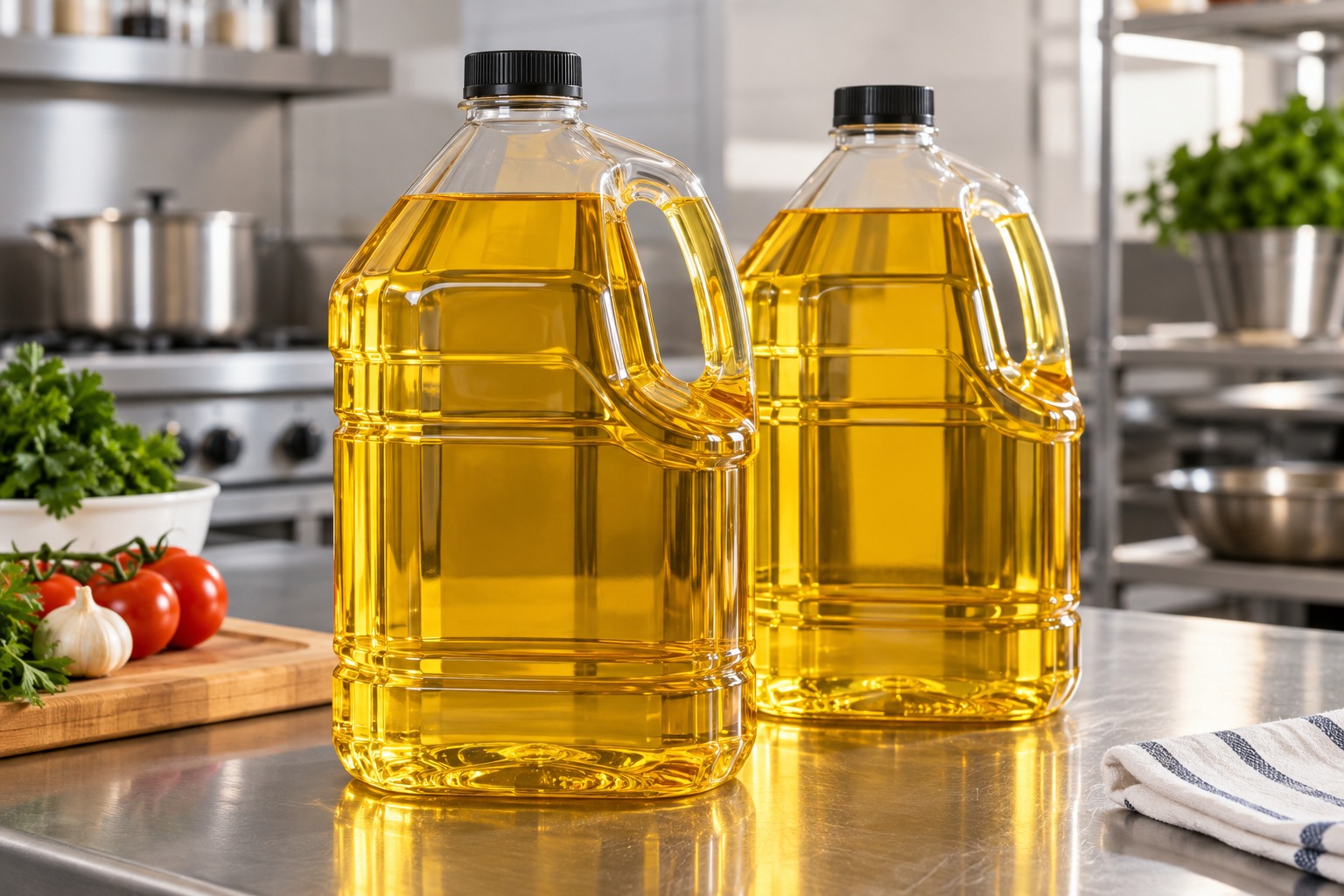
Bag in box systems combine an inner bag, fitment, and protective carton. Gallon jugs offer a familiar handled format. Compare dispensing, storage space, case strength, and safe handling for restaurant and institutional kitchens.
Retail Ready Packaging
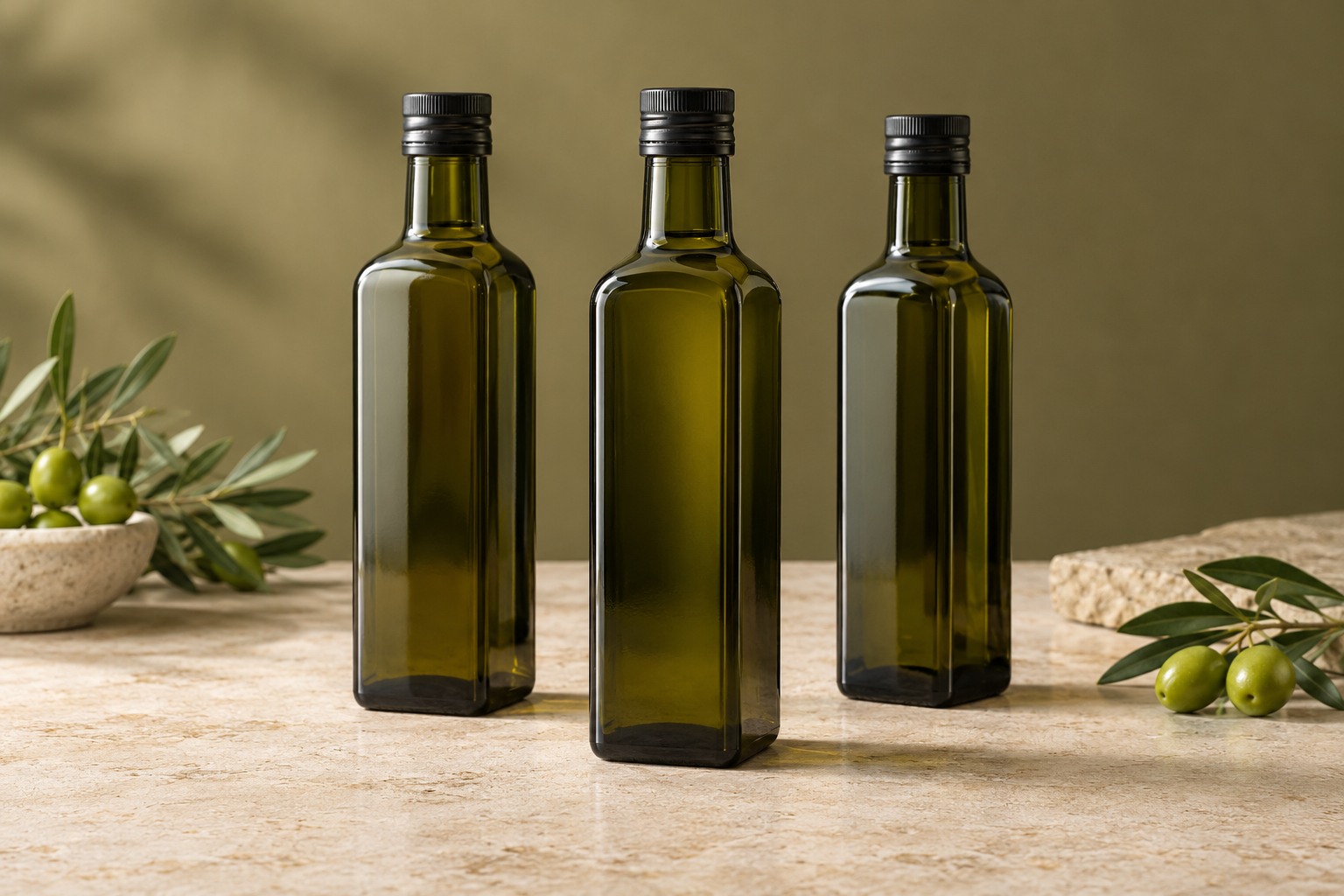
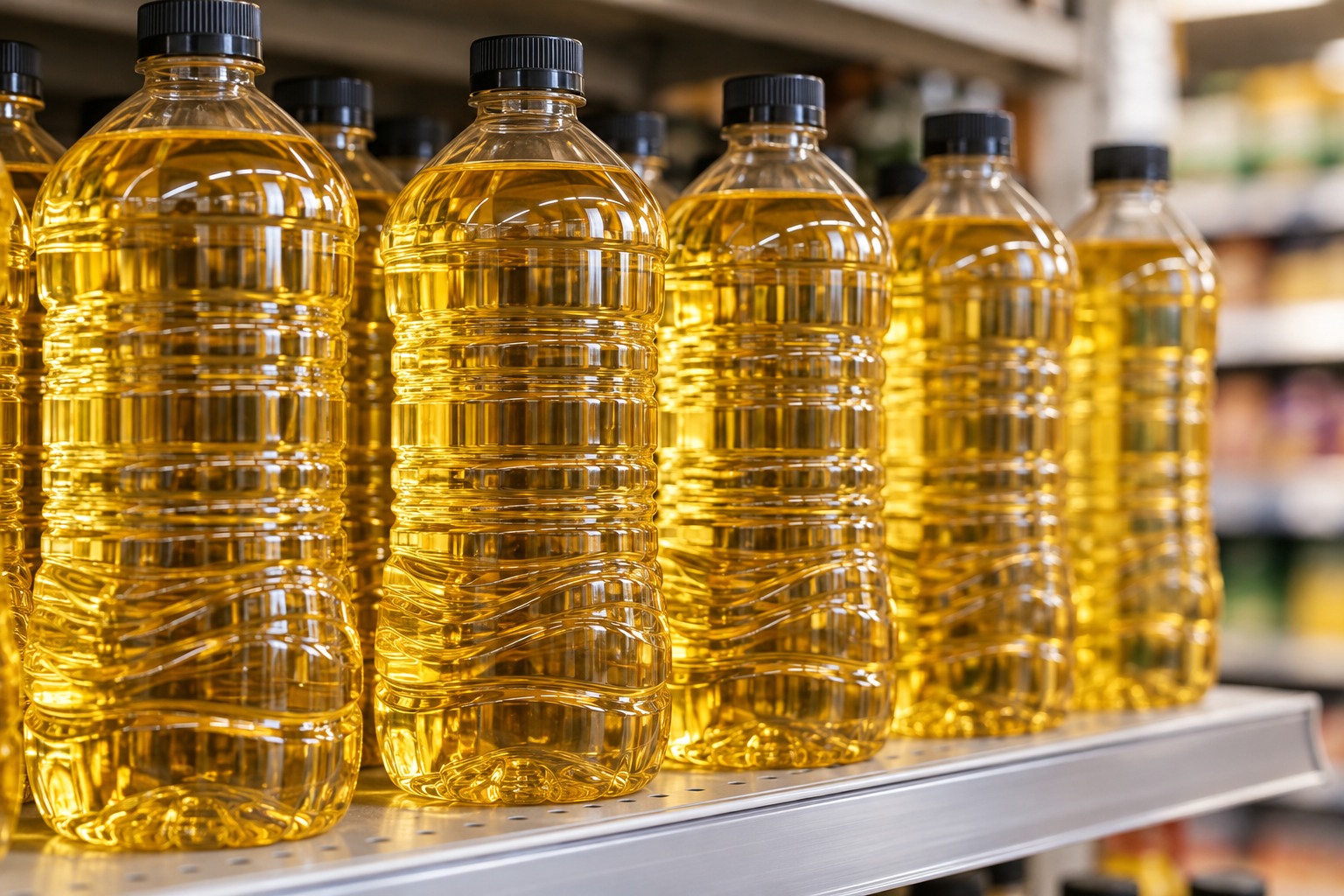
Dark glass creates a premium presentation and reduces light transmission; clear PET offers visibility and lower package weight. Match the container, closure, tamper evidence, label, and shipping case to the oil and sales channel.
Premium & Specialty Packaging
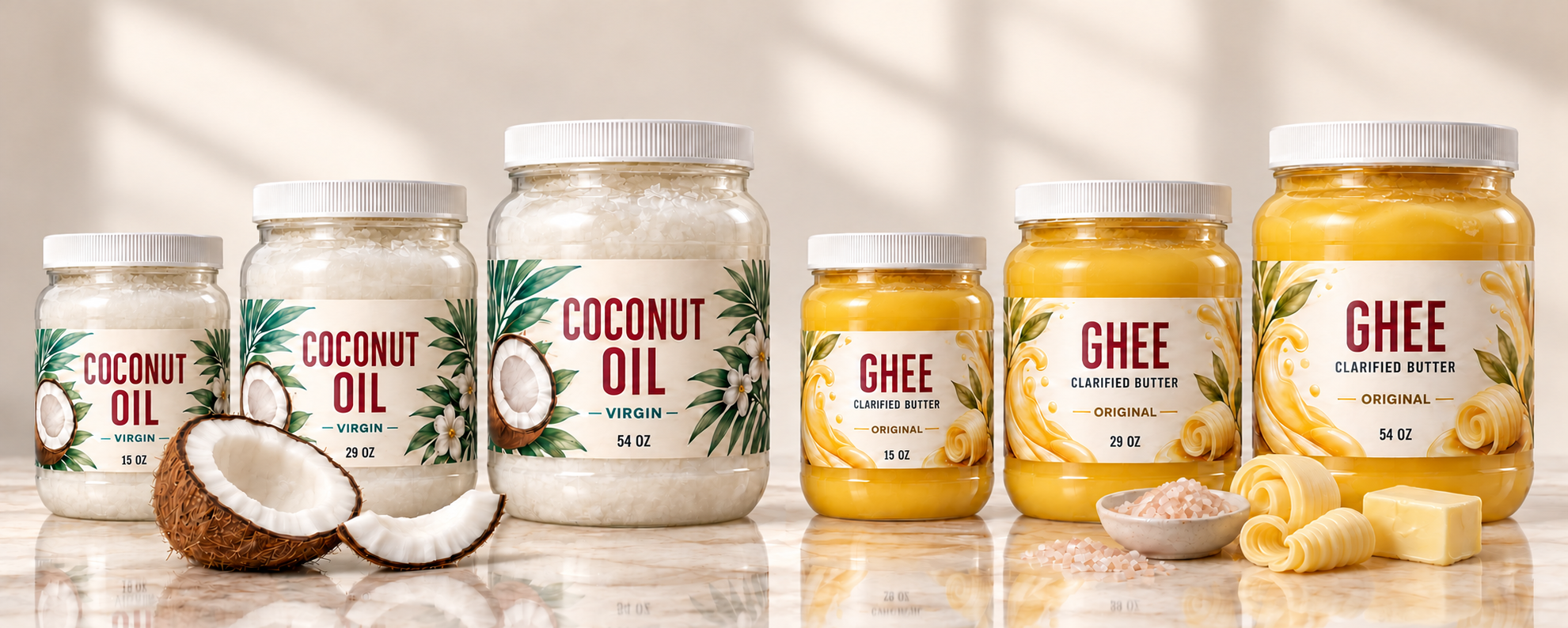
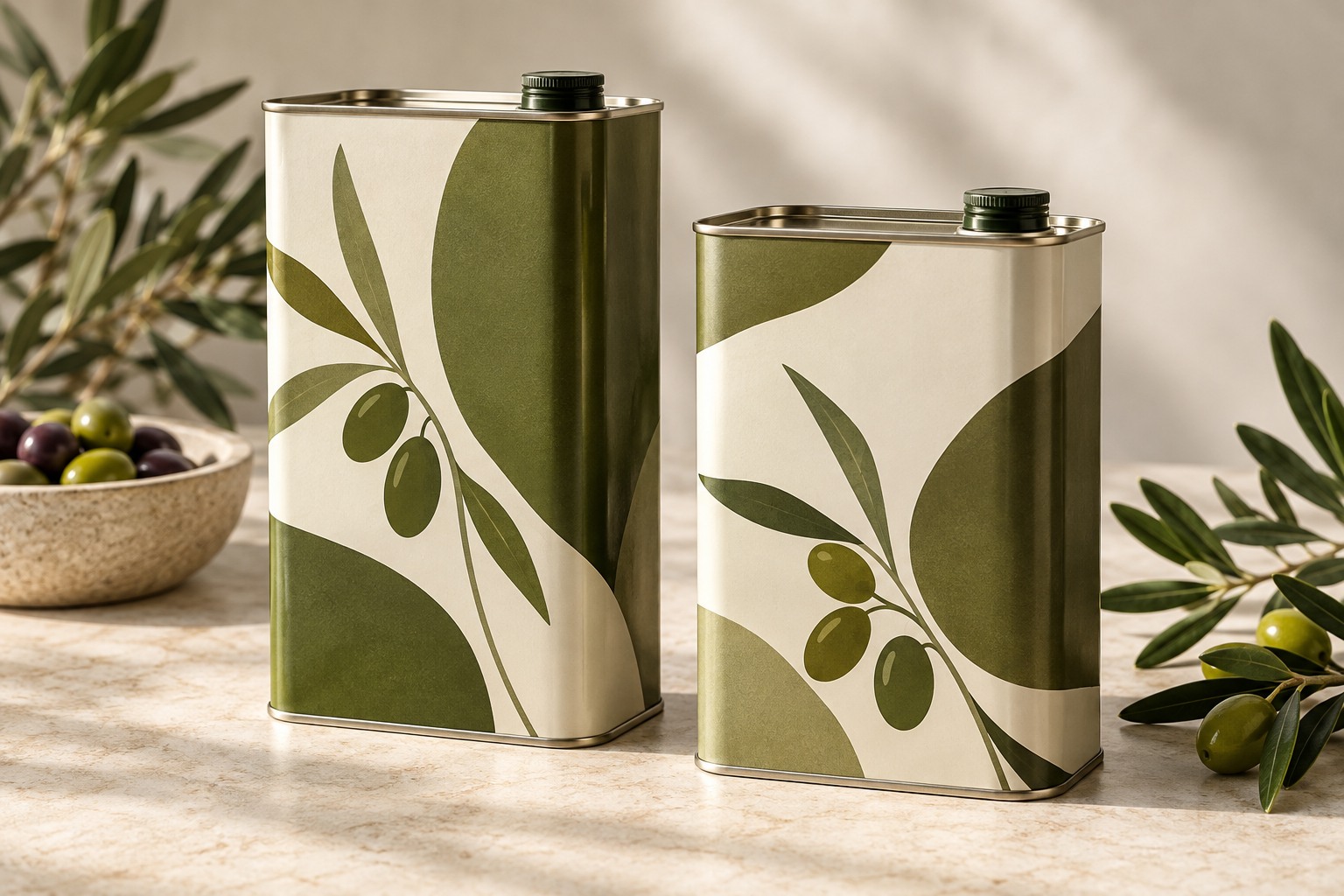
Wide mouth jars suit scoopable fats such as coconut oil and ghee. Opaque tins shield oil from light. Confirm food contact suitability, internal coating compatibility, closure integrity, and the intended consumer use.
Innovative & Next Gen Packaging
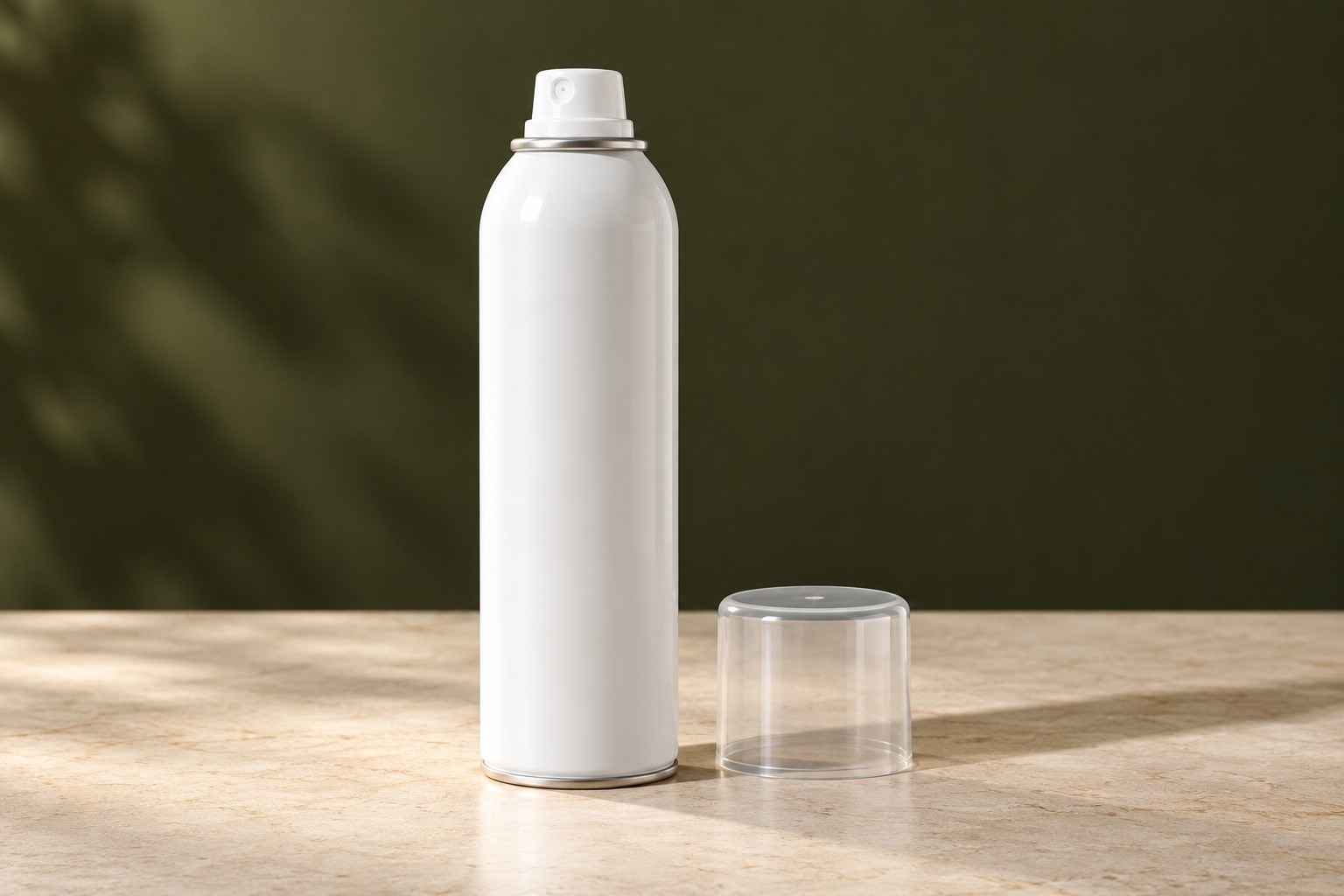
Bag on valve systems hold oil inside a flexible barrier pouch, with compressed nitrogen or air outside it. Gas pressure collapses the pouch to dispense the product. Evaluate the formula, valve, actuator, spray pattern, and pressure as one package system.
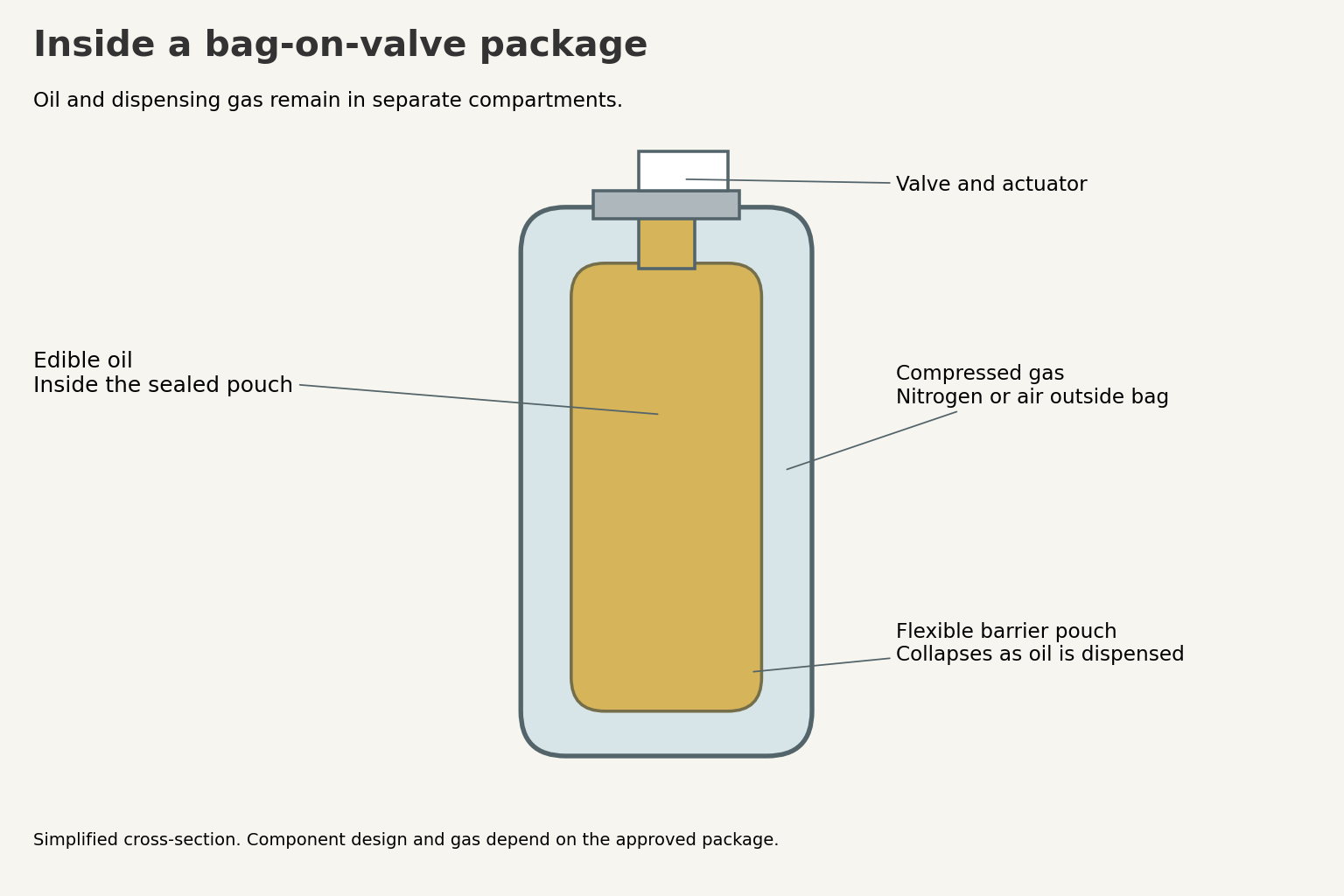
The gas stays outside the pouch; it is not mixed into the oil as a hydrocarbon propellant. A BoV pack is still pressurized aerosol packaging. Finished product classification and any shelf life claims require project specific review.
Edible Oils & Fats Commercial Capabilities Matrix
Typical industry formats for procurement and engineering comparison. These values are not a blanket confirmation of every Beneficial Blends line configuration. US gallons and fluid ounces denote volume; pounds denote weight. Convert oil weight to volume using the specific product density and measurement temperature. Swipe or scroll horizontally to compare all six columns.
| Packaging category | Typical capacity / volume | Primary material composition | Application & target market | Oxygen & light barrier considerations | Logistics & shipping profile |
|---|---|---|---|---|---|
| Industrial IBC totes | 275 to 330 US gal; nominal industry sizes | HDPE inner bottle, steel cage and pallet; barrier constructions vary. | Bulk ingredient supply and high volume manufacturing. | Conventional HDPE permits gas transmission. UV and oxygen protection depend on resin, barrier layers, covers and storage conditions. | Confirm gross weight, pallet dimensions, stacking approval, unloading fittings and residual product. |
| Industrial drums | 55 US gal; nominal industry size | Food contact steel with compatible lining, or HDPE. | Bulk edible oils and suitable ingredient or cosmetic base programs. | Steel walls are opaque and strong gas barriers; closures, seals and linings affect finished package performance. HDPE differs. | Requires suitable lifting and pumping equipment. Confirm pallet pattern, weight limits and cleaning or disposal arrangements. |
| Foodservice bag in box | Common formats include 2.5 to 5 US gal; 35 lb is a net weight specification | Food contact multilayer bag, which may include EVOH or other barrier layers, fitment and corrugated carton. | Restaurant chains, hospitality and institutional kitchens. | Barrier film and a collapsing bag can reduce oxygen ingress during dispensing. Fitment integrity and film specification remain critical. | Empty components may ship flat. Validate filled carton strength, tap access, pallet loading and local disposal options. |
| Retail and foodservice jugs | 1 US gal is a common format | HDPE or PET with a molded handle and compatible closure. | Club retail, cash and carry and foodservice distribution. | Light and oxygen protection vary by resin, tint, wall thickness and closure. Clear plastic provides limited light shielding. | Lower breakage risk than glass, with package specific drop, leak and stacking validation still required. |
| Retail bottles | 8 to 32 US fl oz examples; other formats include 1 L and 2 L | Flint or colored glass, or PET; compatible cap, liner and tamper evident features. | CPG brands, private label grocery and specialty retail. | Glass walls resist oxygen transmission. Dark glass reduces light exposure; actual transmission depends on color and thickness. Closures matter. | Glass adds tare weight and may need partitions. PET reduces weight; confirm case compression and distribution performance. |
| Premium jars and tins | 250 mL to 1 L examples; confirm actual component | Wide mouth glass or food contact lined tinplate, with approved closure. | Coconut oil, ghee, finishing oils and premium specialty products. | Metal walls block light and resist gas transmission. Seams, coatings and closure integrity affect total package protection. | Jars permit scooping of semi solid fats. Glass needs breakage protection; tins need dent, seam and closure checks. |
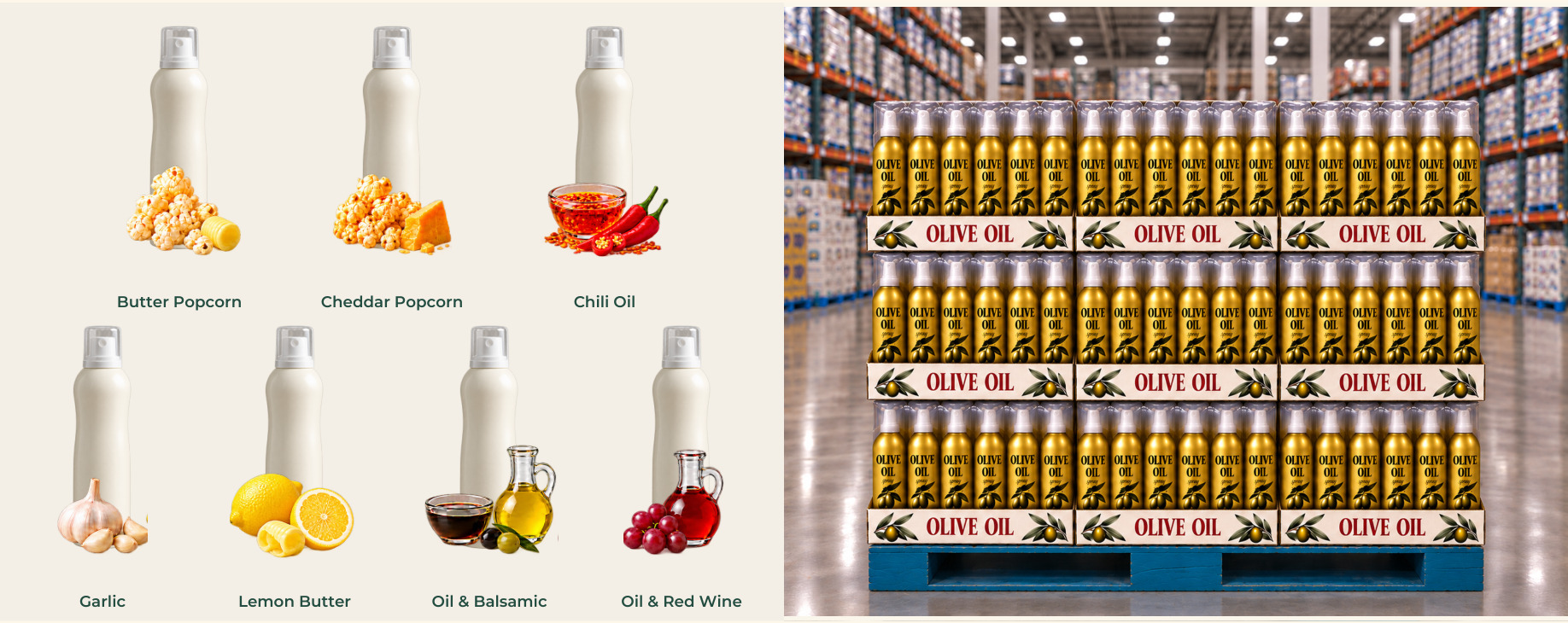
| Bag on valve sprays | 4 to 10 US fl oz product fill examples; can capacity differs | Pressure rated metal can, laminated pouch, crimped valve and actuator. | Cooking oil sprays and compatible specialty dispensing programs. | Pouch separates product from the gas. Barrier performance and shelf life require package and product validation; protection is not absolute. | Pressurized aerosol packaging. Confirm formulation specific transport classification, pressure limits, storage and carrier requirements. |
Confirm the complete package before production
- Oil or fat specification, density, viscosity, handling temperature, and target shelf life.
- Container drawing, food contact documentation, closure, liner, fitment, and label specifications.
- Net fill, initial quantity per SKU, forecast demand, and required production timing.
- Leakage, dispensing, compatibility, stability, and distribution testing appropriate to the product.
- Case pack, pallet layout, gross weight, retailer requirements, and any pressurized package shipping requirements.
Our oil packaging programs also include 1.5 L and 3 L BIB formats, JIB, plastic drizzle top bottles, pinch style 1 L and 2 L bottles, glass jars, and flexible spouted refill pouches. Share your components and product requirements to review the appropriate production setup. get a quote for your preferred oil package
Technical references
For component level guidance, see Smurfit Kappa’s edible oil bag in box information, LINDAL’s bag on valve system overview, and SCHÜTZ’s bulk container barrier guidance. Finished package performance depends on the selected components and validation.
Ready to take the next step?
Tell us the oil, formats you are comparing, fill size, planned quantity, and target sales channel.
Private label ghee & coconut oil
Edible Oils & fats: Explore conventional or organic, 8oz squeeze,15, 29 and 54oz jar formats for coconut oil, salted and unsalted ghee. Choose the product specification and retail format around your brand, target price, and sales channel.
Jar formats shown include 13.5 oz net weight ghee jars and 15 fl oz and 54 fl oz coconut oil jars. Confirm the final fill weight or volume, container, closure, and order requirements during quoting.
Request a Quote
Tell us about your product, packaging, quantities and timing. Complete the form below to request a quote from Beneficial Blends.
Having trouble viewing the form? Open the quote form in a new tab.


